
Beware! The Tax Office Can Now Access Your Bank Accounts & Deposits
Indonesia tax office is getting aggressive: banks auto-report balances ≥Rp1 billion, now extending to crypto, credit cards & telco data. Know the rules.
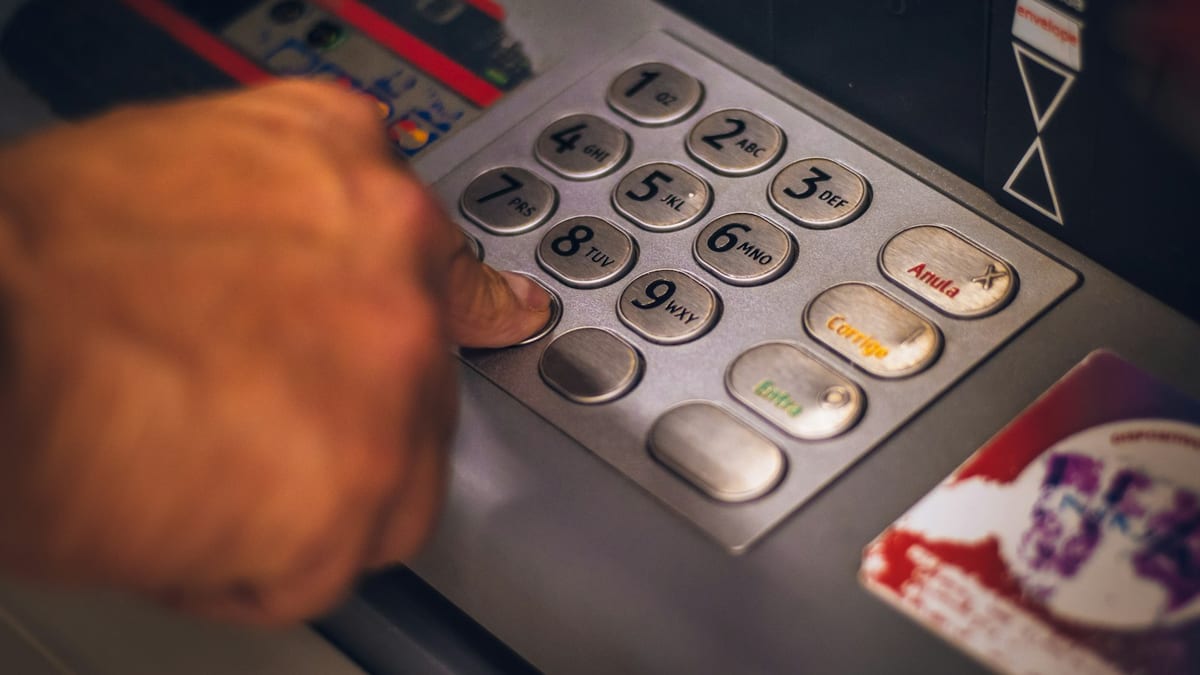
Many taxpayers don’t realize it: the Directorate General of Taxes (DGT) already has the right to access information on your bank accounts and deposits—and that authority keeps expanding. This isn’t a rumor; it’s a rule that has been in force for years and continues to be strengthened. Here are the facts so you aren’t caught off guard.
The legal basis has long existed
The DGT’s access to financial data is governed by Law No. 9 of 2017 on Access to Financial Information for Tax Purposes (originating from Government Regulation in Lieu of Law 1/2017). It removed the “wall” of bank secrecy for tax purposes and became the basis for automatic data exchange—including AEOI (Automatic Exchange of Information) between countries.
What banks report to the DGT—automatically
Financial institutions (banks, capital markets, insurance, and others) must report financial information automatically every year to the DGT, with these thresholds:
- Aggregate balance ≥ Rp1 billion for accounts held by individuals.
- No minimum threshold for accounts held by entities/companies.
This Rp1 billion threshold is set in Minister of Finance Regulation 19/PMK.03/2018 (previously as low as Rp200 million under PMK 70/2017). “Balance” here covers savings and time deposits. For scale, since the rules first took effect, hundreds of thousands of accounts with balances ≥Rp1 billion have been on the DGT’s radar.
The DGT is getting more aggressive: data coverage widens
What’s new is that the DGT’s reach now extends far beyond ordinary bank accounts:
- Crypto assets & electronic money. Through PMK 108 of 2025 (effective 2026), crypto-asset service providers and certain financial institutions must report information automatically to the DGT.
- Data from many sources. The Finance Minister expanded the DGT’s data acquisition via PMK 8 of 2026 (revising PMK 228/2017, effective 27 February 2026): data from ministries/agencies, local governments, law enforcement, Bank Indonesia, the Financial Services Authority (OJK), state-owned enterprises, pension funds, and the private sector—including banks, credit-card issuers, and cellular operators.
- Coretax as the matching engine. With data pooled in one system, the DGT can more easily match income, asset, and lifestyle profiles against the returns you file.
In short, the room to stay “invisible” is shrinking fast.
What this means for you
This access does not mean you’ll automatically be billed—the aim is to test compliance and reconcile data. Trouble arises only when there’s a mismatch: assets in your accounts/deposits don’t align with the income reported in your tax return. That is what often triggers a request for clarification (SP2DK), an audit, or a tax correction.
Safe steps in the era of data transparency
- Report assets correctly in your annual return—including account and deposit balances.
- Make sure income and assets align. A rise in assets must have a clear, already-taxed source.
- Keep evidence of the origin of funds (inheritance, asset sales, loans) to answer if asked.
- Use a correction if something was missed—far lighter than waiting to be audited. (See: underpayment interest penalty.)
In an era of open data, clean compliance is your best protection. The Mandiri Pajak team helps you align your assets, income, and tax return. Explore our services or talk to us today—for correct taxes and peace of mind.
Sources
- Tax Director Can Inspect Accounts Above Rp1 Billion, Here Are the Rules — CNBC Indonesia
- Banks Must Report to the Tax Office if a Customer’s Balance Is Rp1 Billion — Kompas.com
- Tax Office Monitors Customer Accounts Above Rp1 Billion — Detik.com
- Tax Office to Be Able to Inspect Digital Accounts and E-Money Balances — Kompas.com
- Purbaya Expands DGT Taxpayer Data Acquisition: Credit Cards & Phones — CNBC Indonesia